

《对不起,宝贝》剧情介绍
久别重聚,友情依旧。同窗好友大步向前,结婚、怀孕、诞儿,艾丽丝只能踽踽独行,寻索自己的人生路。校园性侵事件发生后,生活如是继续:在母校教学升迁、与旧同学饭聚、被召任陪审员、与邻居展开恋情……一切仿佛如常,看不见的伤口却依然隐隐作痛,只怕惊恐攸然来袭,把人杀个措手不及。五个章节不按时序,任错落情绪在回忆的倒带和快进中跌宕。没有暴力的视觉冲击,
《对不起,宝贝》影评:
EvaVictorisatriplethreat
原本看完只想在信箱写几句英文影评没想到越写越长,索性也发到这里来。Eva Victor太有才华了。
wow I really liked this. I do hope this film gets more love during the awards season, it is so deserving.
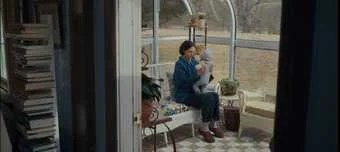
the movie opens with Agnes, a junior humanities professor at the university where she got her PhD a few years prior. it's the typical new England college town: cold, beautiful but rural and depressing. Her friends are slowly moving away from the isolation of academia to the exciting next chapters in big cities. She seems happy and content with her job, but there is a lingering sense of loneliness and being stuck, and perhaps, being forced to deal with her former ghosts as she is technically "still in the same place".
I just finished my PhD a few months ago but i am still dealing with the trauma, stress and existential dread that came along with it. I am doing okay, still in academia but have moved to a different city. I love the city where I went to grad school but this place has seen so many of my tears; I simply had to leave. I recognize with her sadness so much.
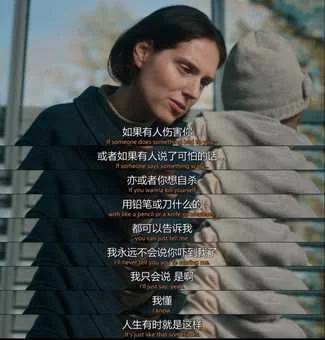
And then in the second act, Sorry, Baby reveals itself to be much more than that. Through the nonlinear cuts we discover that Agnes was a victim of sexual assault by her former advisor, someone she really looked up to and seek validation from, and now we are in the aftermath of this traumatic event that she was forced to live in. Victor's approach is incisive, cut-to-the-chase but thrillingly realistic: from the initial confusion, to the unease when Agnes had to reveal her experience and then the discomfort seeing how others reacted. There was never a big moment of epiphany or healing, but a string of slice of life events and in the end there was a little hope.
I know people might say it's too on the nose but I really like the ending. Virginia Woolf's To the Lighthouse serves as an important plot device, with Agnes being gifted a copy from its first edition, and the movie's ending being basically an enactment of the third act, where Agnes' best friend Lydie and her partner visiting a lighthouse in the college town (albeit offscreen). Ultimately, I think To the Lighthouse is also about recovering from tragic events and revisiting the place that is associated with these memories. "If trauma is a haunted house from which we could never really escape, how shall we look back on it, through the passage of time?" Gently but firmly, Victor poses the question.
And of course the star of this movie is Eva Victor, who played the meek, self-deprecatingly humorous Agnes so well. With this film, she had just emerged as this exciting triple-threat who could fine tune heavy drama and black humor in milliseconds. You can tell from the movie that she is a lover of the medium and art: the subtle nod to works of Didion, Woolf, paintings of Hopper and the quietly powerful cinematic images of Todd Haynes and Kelly Reichardt -- and the most obvious -- Kenneth Lonergan. She might wear the influences a bit too much on her sleeves sometimes, but ultimately it's her unique perspective that stitches everything together and makes the movie shine.
It's quite funny honestly how I stumbled across this right after watching After the Hunt, both films being about sexual assault happening in a New England humanities college. I should say both films treat grad school and tenure track system like fantasy (if only ... I wish ... lol), but Victor excels in what Guadagnino lacks -- the utmost pathos and care when it comes to sensitive subjects like this. Maybe not everything needs to be a cynic, absurdist satire about the human condition; maybe what we need is more empathy, just like what Victor did.